Why Don't White Flowers Stay White? Understanding Color Changes in Floral Preservation
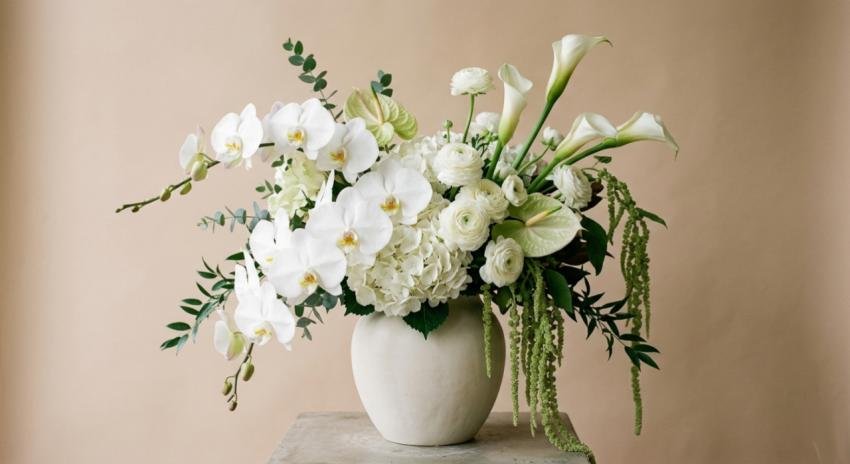
White flowers are timeless, elegant, and often some of the most meaningful flowers in a wedding bouquet. Whether they are roses, orchids, calla lilies, ranunculus, or hydrangeas, many customers choose white flowers because of their soft, classic appearance.
One of the most common surprises in floral preservation, however, is that white flowers don't always stay white after drying.
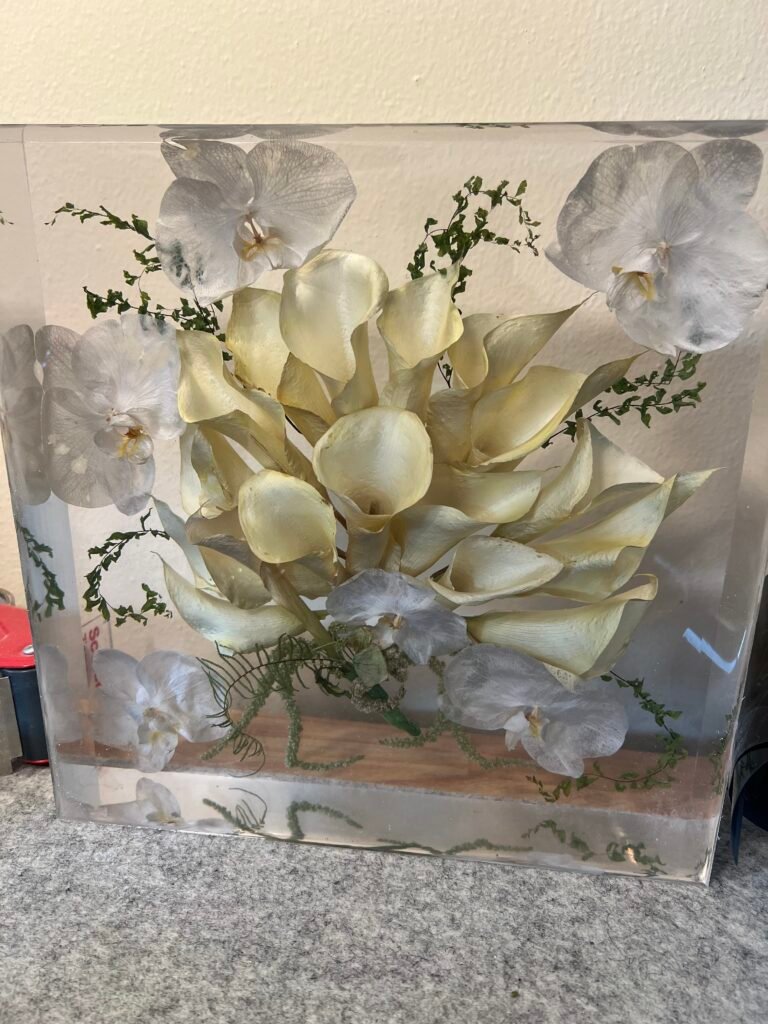
If you've ever wondered why preserved white flowers sometimes appear cream, ivory, tan, or even slightly yellow, you're not alone. This is a natural part of the drying process, and it's something worth understanding before choosing how to preserve your bouquet.
Why Do White Flowers Change Color When They Dry?
Fresh flowers contain moisture, and as that moisture is removed, their appearance can change. White petals are particularly susceptible to noticeable color variations.
Depending on the flower variety, its condition, and the preservation process, white flowers may dry to:
- Soft ivory or cream
- Off-white
- Pale yellow
- Beige or tan
- Slightly translucent or darker shades
Some white flowers are naturally better at retaining their original appearance than others.
Flowers that tend to retain a brighter white:
- Orchids
- Ranunculus
- Hydrangeas
These varieties can often retain a beautiful, bright appearance through the preservation process.
Flowers that commonly develop cream or warmer undertones:
- Roses
- Calla lilies
These flowers may dry to a more ivory or cream color, sometimes with hints of yellow or tan. This doesn't necessarily mean something went wrong. It is simply how certain flowers respond to losing moisture.
Silica Sand Drying vs. Pressed Flower Preservation
The preservation method you choose can make a significant difference in the final appearance of your flowers.
At Kazzy Studio, I primarily use silica sand drying rather than pressing flowers. In my experience, silica sand does a better job of retaining the natural shape, dimension, and brighter colors of many flowers.
Silica Sand Drying
Silica sand surrounds the flowers and gradually draws out moisture while helping them maintain their three-dimensional shape. This method allows many flowers to retain more of their original color and structure.
While color changes can still happen, I find that silica sand generally produces results that are closer to the original flowers.
Pressed Flower Preservation
Pressing flowers involves flattening them during the drying process. This can create beautiful results, but it can also cause more noticeable color changes.
I personally don't offer pressed flower preservation because of the amount of color correction that can be required to achieve the desired appearance. Rather than extensively altering the flowers, I prefer to preserve them as close to their natural appearance as possible.
Why I Don't Paint Every Flower White
This is an important part of my preservation philosophy.
My goal is to preserve your flowers as authentically as possible. I want you to recognize the flowers from your wedding day, anniversary, or other meaningful occasion.
Sometimes, however, customers envision a finished piece with bright white flowers, even when their original flowers have naturally dried to cream or ivory.
I completely understand that preference!
There is nothing wrong with wanting your preserved flowers to look as close to their original color as possible. However, achieving a consistent bright white appearance may require painting or color correction on some or most of the flowers.
For customers who prefer a brighter white appearance, I also keep preserved white flowers purchased from my floral wholesaler on hand. These flowers often provide a brighter, more consistent white than naturally dried flowers that have developed cream or yellow undertones.
This gives us another option when designing your keepsake.
Heat and Flower Discoloration
Another important consideration is heat.
White flowers can be especially sensitive to heat exposure. Depending on the flower variety and its condition, heat can contribute to browning, yellowing, or other discoloration.
Flowers go through a lot between the event and the preservation process. Transportation, storage conditions, environmental temperatures, and the time before they are properly dried can all affect their final appearance.
This is one reason I always encourage customers to follow proper shipping and handling instructions when sending their bouquets.
Choosing the Right Preservation Style for Your Flowers
Before choosing a floral preservation method, I encourage customers to think about what matters most to them.
Would you prefer a natural keepsake that reflects the actual appearance of your flowers after drying? Or would you prefer a brighter, more uniform appearance, even if that means some flowers may need to be painted or replaced?
Neither preference is wrong. The important thing is understanding the possibilities before the preservation process begins.
White flowers deserve particular consideration because even small changes in color can be very noticeable.
Preserving Your Flowers, Beautifully and Authentically
At Kazzy Studio, I believe floral preservation should honor the flowers and the memories behind them.
Every bouquet is different, and every flower responds differently to preservation. My approach is to retain as much of the original beauty, color, and character as possible while creating a keepsake you'll treasure for years to come.
If you have a bouquet with predominantly white flowers, don't hesitate to discuss your expectations with me before choosing your preservation design. I'd much rather have that conversation beforehand so we can determine the best approach for your flowers.
Your flowers tell a story. My goal is to preserve as much of that story as possible.